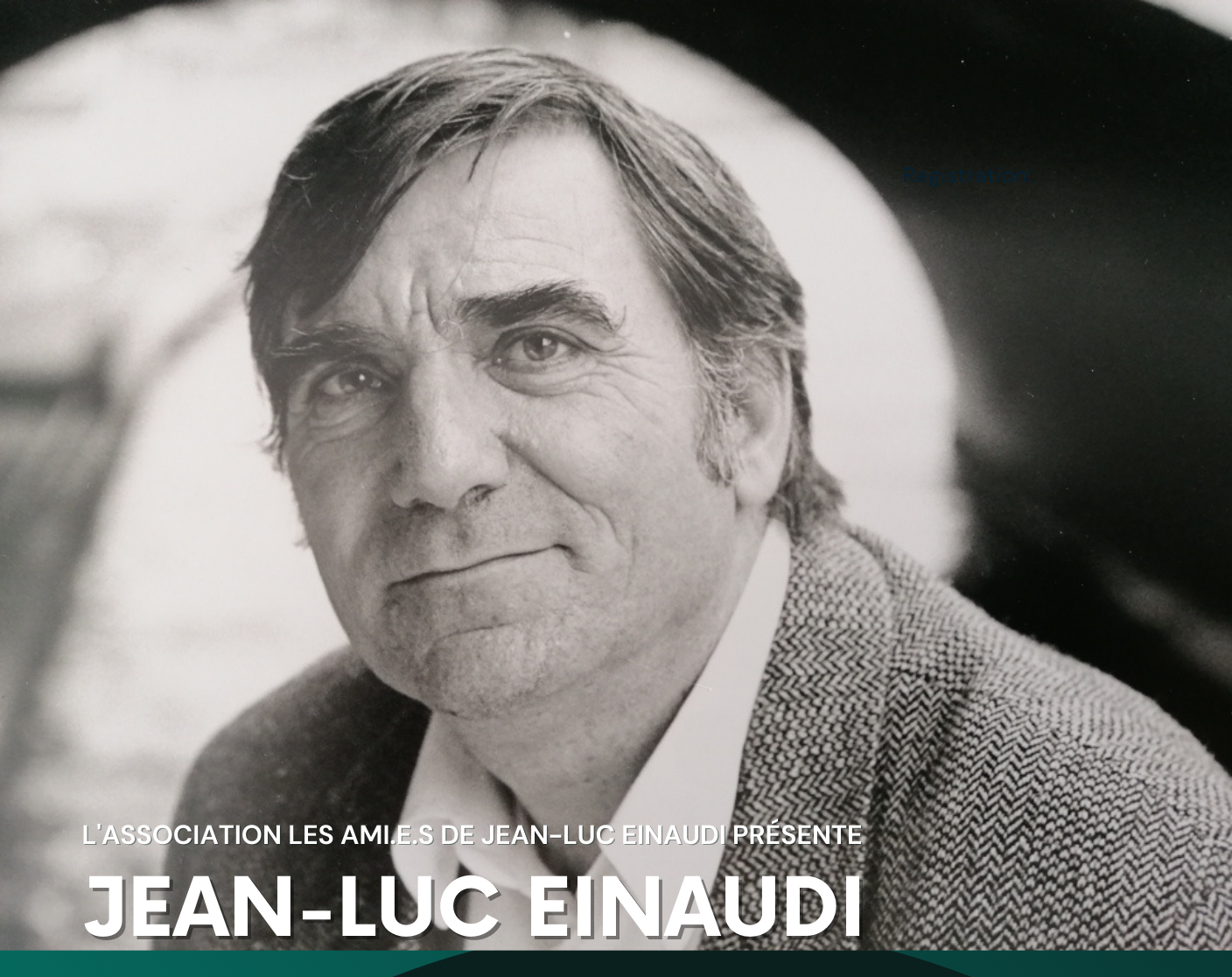

Archives de Jean-Luc Einaudi
2002 - Night Train Program – Interview with J.-L. Einaudi on October 17, 1961 / The search for truth / The Papon trials
2002 - Night Train Program – Interview with J.-L. Einaudi on October 17, 1961 / The search for truth / The Papon trials
Night Train Program – 2002. Content: Interview with J.-L. Einaudi on October 17, 1961 / The search for truth / The Papon trials
Context: Following the republication of his book by Fayard, October 1961, a massacre in Paris
The Massacre of October 17, 1961: Analysis of the Works and Testimonies of Jean-Luc Einaudi
Key points from the interview with Jean-Luc Einaudi, author of the book October 1961: Massacre in Paris (Fayard editions): it explores the historical reality of the repression of Algerian demonstrators in Paris, the role of the institutions of the time and the long battle for the recognition of the truth.
1. Historical Context and Origins of the Research
Jean-Luc Einaudi, born in 1951, explains that his approach is not personal or familial, but civic. As a teenager in the 60s and 70s, he witnessed the impact of the Algerian War on French society, contrasting with a persistent official silence.
The genesis of the investigation
• Will to truth: An early refusal, from adolescence onwards, to accept the concealment of fundamental facts.
• Researcher career path: A groundwork laid over ten years ago, leading to the publication of The Battle of Paris (1991) and then of Massacre in Paris (2001).
• Childhood memories: The atmosphere of 1961 was marked by bomb alerts, the generals' putsch, and stories from Algerian comrades arriving with photos of fighters in the maquis.
2. The Events of October 1961
On October 17, 1961, approximately 20,000 to 30,000 Algerians demonstrated peacefully in Paris against the discriminatory curfew imposed on October 5. This demonstration was met with extremely violent repression.
The nature of the repression
The interview emphasizes that this was not a law enforcement operation, but a widespread "manhunt".
• Methods: Drownings (bodies thrown into the Seine), strangulations, blows to the head, and murders in the woods (as in Meudon).
• Places of internment: The Palais des Sports, the Parc des Expositions, the Coubertin stadium and the Vincennes identification center.
• Practices: Use of torture during interrogations and devaluation of human life (considering victims as "natives").
Human cost and disparities in figures
|
Source
|
death toll
|
Observations
|
|---|---|---|
|
Official version (1961)
|
2 dead
|
Justified by an alleged legitimate self-defense of the police officers.
|
|
Research by J.-L. Einaudi
|
200 to 325+ dead
|
Figure based on cemetery records and the forensic institute.
|
|
Identified list (2001)
|
Approximately 400 names
|
Includes deaths from September and October 1961.
|
3. Institutional Responsibilities and Historical Continuity
Jean-Luc Einaudi's analysis highlights a disturbing continuity between the Occupation and the Algerian War, embodied by certain figures of the State.
The role of Maurice Papon
As police prefect in 1961, he was the central figure of this period.
• Continuity: Papon had supervised the roundups of Jews in Bordeaux (1942-1944). In 1958, he was already organizing roundups of North Africans sent to the Vel' d'Hiv'.
• Methods: He imported to Paris the methods of repression that he had previously overseen in eastern Algeria.
The government and the police
• Michel Debré (Prime Minister): A supporter of French Algeria, he backed Papon and opposed Edmond Michelet (Minister of Justice), the latter being hostile to torture and in favour of negotiation.
• Desire for revenge: Between August and October 1961, 11 police officers were killed in Paris. This climate generated a desire for reprisals against the entire Algerian population.
• Institutionalized racism: The curfew of October 5, 1961 is described as the formalization of state racism, transforming "the foreigner into the enemy".
4. The Battle for Access to the Archives
The truth about October 17th has been systematically concealed by an enterprise of disinformation and censorship (seizure of newspapers, banned photos, control of state television).
• The legal turning point: Einaudi's testimony at the Papon trial in Bordeaux (1997) and the defamation lawsuit brought (and lost) by Papon against him in 1999 forced the opening of certain archives.
• Persistent obstacles:
◦ Disappearance or destruction of the archives of Roger Frey's office (Minister of the Interior).
◦ Opposition from some police prefects (such as Mr. Massoni) to the consultation of the documents.
◦ Hierarchical appeals are necessary to access the prefecture's records.
5. Memory and Recognition of Victims
Jean-Luc Einaudi's work aims to rehabilitate the memory of the victims, often buried anonymously in mass graves (as in the Thiais cemetery).
• Survivor testimonies: Accounts of men who survived attempts at hanging or strangulation.
• Human impact: The profound need for moral justice expressed by the families of victims and the children of the disappeared who discover the truth decades later.
• Failure of the justice system of the time: The document denounces a judicial institution that covered up state lies and issued systematic dismissals despite evidence of massacres.
6. Key Citations and References
The document uses symbolic texts to illustrate the horror of the events:
"Many of us, individuals or nations, are at the mercy of this conscious or unconscious idea that the foreigner is the enemy." — Primo Levi (quoted by J.-L. Einaudi)
"We will never know the full extent to which this people was humiliated, beaten, rejected from our community, and kept in its misery." — Jules Roy (excerpt from his diary, October 18, 1961)
"And now will you speak? And now will you be silent?" — Cateb Yassine (quoted at the end of the interview)